Overview of MBBS Internship in India
The Bachelor of Medicine and Bachelor of Surgery (MBBS) internship in India serves as a pivotal phase in the education of aspiring medical professionals. Normally lasting for a duration of one year, this internship is a mandate for all MBBS graduates to complete before they can be licensed to practice medicine independently. The significance of the MBBS internship lies in its role as a bridge between foundational medical knowledge and practical, real-world application. It allows interns to consolidate their understanding of medical theories through hands-on experience in clinical settings.
During the internship, medical graduates work in various departments of hospitals, where they are exposed to different facets of patient care and medical practice. Interns rotate through multiple specialties, including surgery, internal medicine, pediatrics, and obstetrics, among others. This structured training prepares them to handle a diverse range of medical scenarios. Furthermore, interns are typically assigned to work alongside experienced physicians and healthcare professionals, who provide mentorship and guidance as the interns navigate their responsibilities.
Moreover, the practical experience gained during an MBBS internship is invaluable. It enables interns to develop essential skills such as patient assessment, diagnosis, treatment planning, and communication with patients and their families. The mentorship provided by seasoned medical staff fosters a deeper understanding of the complexities within the medical field. Thus, the internship not only enhances the interns’ clinical competence but also instills a sense of professionalism and ethical practice. Overall, the MBBS internship serves as a critical component of medical education in India, equipping future doctors with the necessary tools to succeed in their careers and deliver quality healthcare.
Stipend Structure for MBBS Interns
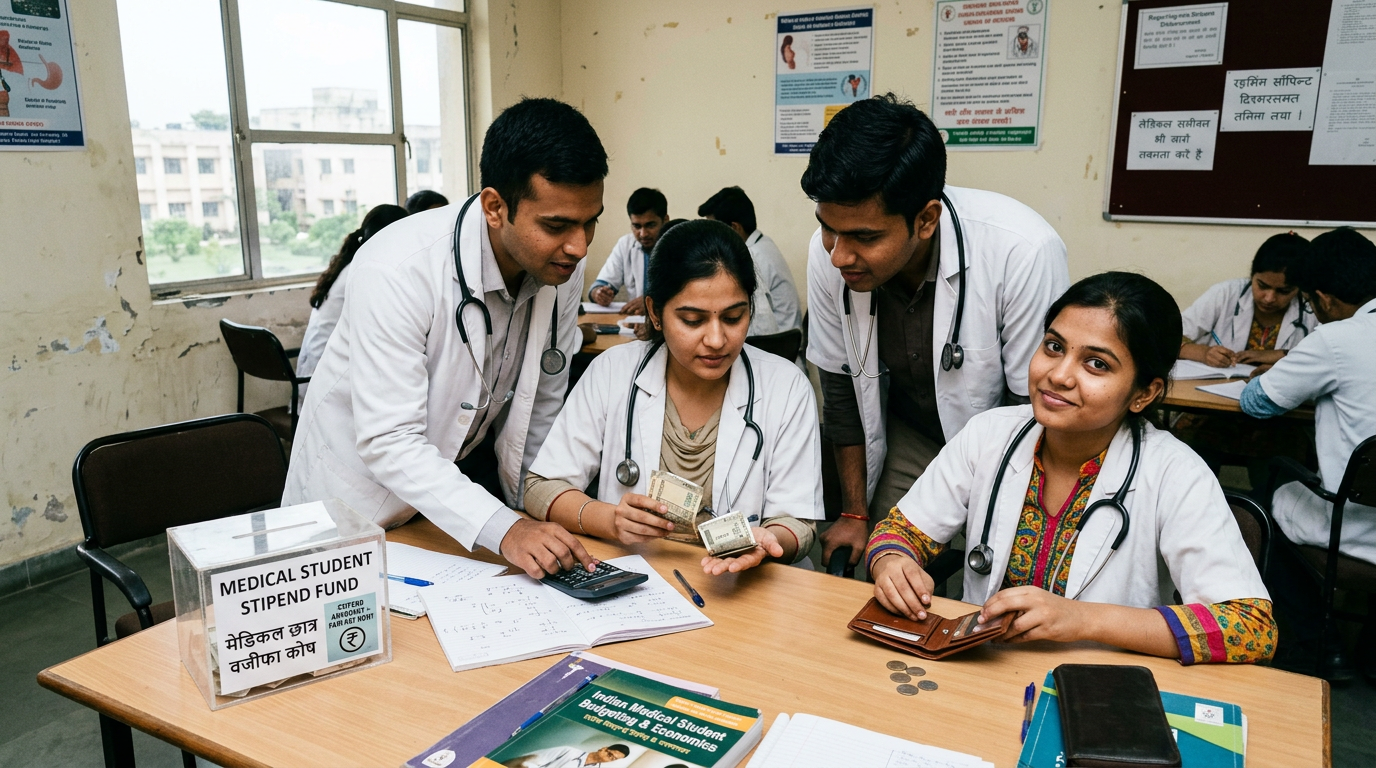
The stipend structure for MBBS interns in India varies significantly depending on several factors, including the type of medical college attended, the location of the college, and governmental regulations. Typically, government medical colleges tend to offer higher stipends compared to private institutions. As a result, interns in government facilities may receive monthly allowances ranging from INR 20,000 to INR 30,000, whereas those in private colleges may see amounts closer to INR 10,000 to INR 15,000.
Moreover, geographical location plays a crucial role in determining the stipend amounts. For instance, medical interns in metropolitan cities such as Mumbai, Delhi, and Bangalore are often provided with higher stipend allowances due to the increased cost of living in these areas. Interns in rural locations generally receive lower stipends, which might be around INR 10,000 to INR 12,000. However, some government initiatives aim to encourage internships in rural areas by offering additional incentives or bonuses to attract medical graduates.
It’s also important to consider any governmental regulations or policies that might influence stipend payments. Certain state governments have mandated minimum stipend amounts for medical interns, ensuring that all interns receive fair compensation regardless of the college they are affiliated with. This is particularly true in states where the government has recognized the need to standardize intern stipends to address inequalities across different regions.
Factors such as the reputation of the medical college, the level of specialization involved in the internship, and the available healthcare infrastructure also contribute to the variability of stipend amounts. Consequently, aspiring interns must research the stipend structures pertinent to their chosen institutions and locations to make informed decisions regarding their internships and subsequent career paths.
Factors Influencing Stipend Amounts
In India, the stipend amount awarded to MBBS interns is subject to a range of influencing factors. One of the primary determinants is the reputation of the medical college where the interns are enrolled. Prestigious institutions often have strong affiliations with renowned hospitals, which can lead to higher stipends. Such hospitals might have better funding and resources, allowing them to offer competitive monthly allowances to attract capable interns.
Moreover, the affiliations between medical colleges and hospitals play a crucial role in determining the stipend levels. Hospitals with governmental backing typically provide a more structured stipend framework, influenced by state policies and regulations surrounding medical education. Conversely, privately-funded institutions may vary in their stipend offerings based on their financial health and operational budgets.
Government policies also significantly impact the stipend arrangements for MBBS interns. For instance, state governments may establish minimum stipend guidelines that influence the salaries of interns across public hospitals. The presence of such regulations often ensures standardization across the medical training landscape, aiding in fair compensation for interns regardless of their geographic location.
Another critical factor to consider is the general economic conditions of the regions where medical colleges and hospitals are located. In metropolitan areas, where living costs are higher, stipends may be adjusted accordingly to accommodate these expenses. In contrast, interns in rural or less economically developed regions may find lower stipend amounts, reflecting the local economic realities.
Additionally, recent trends, particularly the impact of the COVID-19 pandemic, have created fluctuations in stipend arrangements. Several hospitals have had to reassess budgets due to the economic strain caused by the pandemic, which can lead to reduced stipends or even deferments. Understanding these dynamics is crucial for those aspiring to pursue an MBBS internship, as they navigate the complex landscape of medical training in India.
Comparison of MBBS Internship Stipends with Other Medical Internships
When evaluating the financial aspects of various medical internships in India, one can observe notable differences in stipends between different fields. For instance, an MBBS internship typically offers a monthly stipend that ranges between INR 15,000 to INR 40,000, depending on the institution and the region. In comparison, internships for BDS (Bachelor of Dental Surgery) graduates often provide stipends that are somewhat lower, averaging around INR 7,000 to INR 20,000 per month. This variance can be attributed to differences in the demand for medical professionals within these fields and the specific educational requirements set by respective regulatory bodies.
Nursing internships present a diverse scenario as well, with stipends frequently falling in the range of INR 8,000 to INR 25,000. While this compensation is comparatively modest, it reflects the prevailing conditions in healthcare facilities and the importance placed on nursing roles. One can argue that the stipends for medical internships should adequately commensurate with the educational investment and the responsibilities interns undertake, which include managing patient care and undertaking various clinical tasks.
Understanding the stipend structure of MBBS and other associated medical internships can significantly influence prospective students’ decisions regarding their career paths. Those considering a career in healthcare often look beyond just the monetary aspects; however, financial incentives do play a crucial role. Awareness of comparative stipends may lead students to select fields that offer better financial compensation, thereby impacting the overall distribution of medical professionals in the country.
Ultimately, the stipend variations between MBBS internships and those in nursing or BDS also highlight the societal and healthcare dynamics at play. Choosing a medical career should ideally be based on passion and interest, but financial considerations cannot be overlooked.